FASHION 101: WHAT IS READY-TO-WEAR?
Kevin Gorian
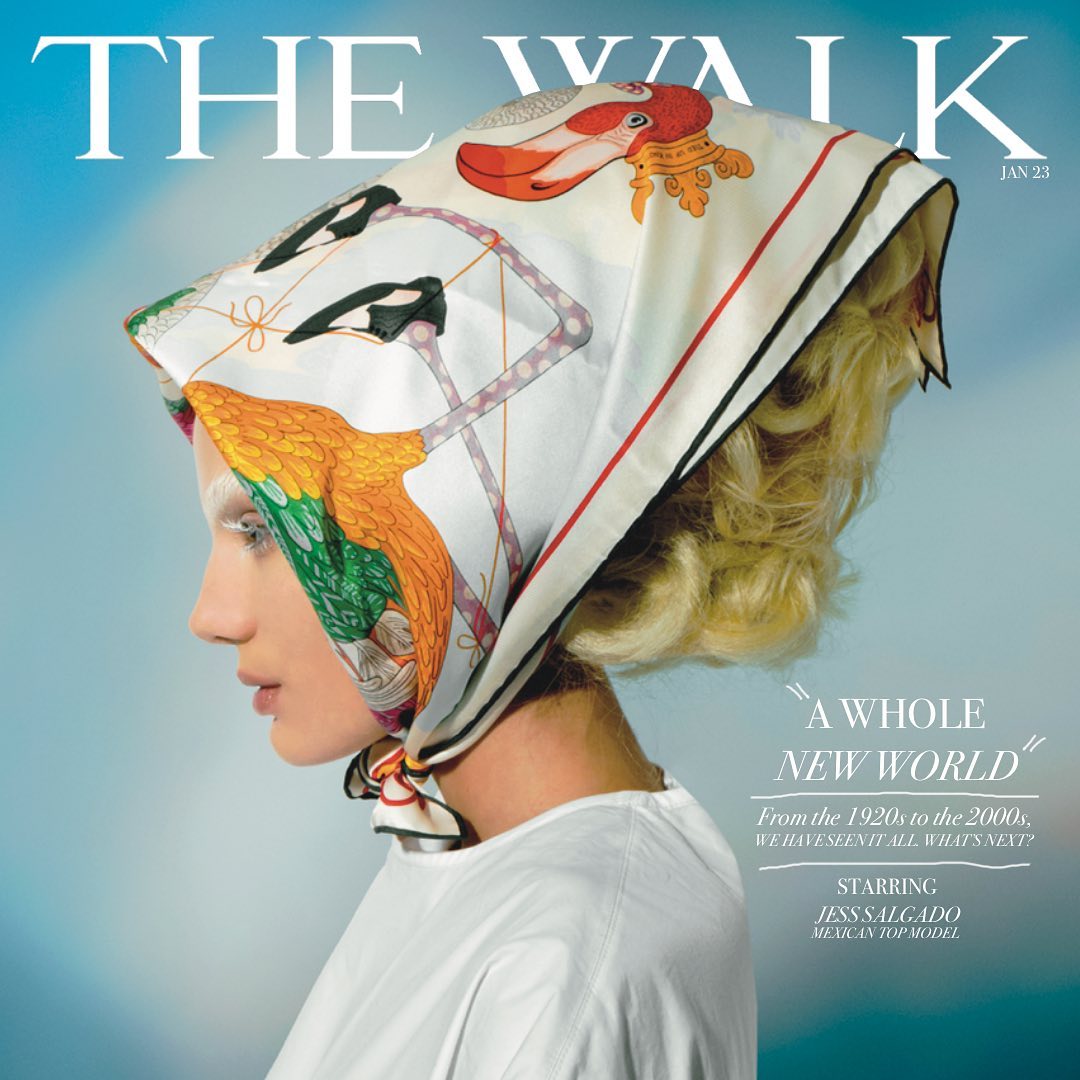
Cover Image by Jeff Trierweiler.

Today we will learn what "ready-to-wear" means, a term that is EVERYWHERE in the fashion world.
In the vast, magical, and competitive realm of fashion, there’s a dizzying array of terms that, if you're not “in the business,” might sound a little... peculiar. Couture, pop-up store, Y2K,
trendsetter—these are just a few examples that could fill an entire *Grand Dictionary to Understand Your Friend Working in Fashion.*
Despite the endless possibilities in this industry, today we’ll focus on a particular word, one you’ve likely encountered if you enjoy browsing collections: ready-to-wear—or *pre?t-a?-porter* in its European form.
To understand what *pre?t-a?-porter* means—in the world of high fashion—we need to recognize that luxury fashion houses like Saint Laurent (formerly Yves Saint Laurent), Chanel, and Christian Dior originally produced only made-to-measure clothing. You couldn’t just walk into your trusted Palacio de Hierro or a boutique on Masaryk and walk out with the latest piece from your favorite designer’s Fall/Winter 2024 collection. These were, in the most traditional sense, garments crafted by request, as is still the case with Haute Couture today. Haute Couture is a highly specialized fashion category that, while parading in Paris, is only created for those who can afford it—or for those showing off on the red carpet. You won’t find yourself leaving the Balenciaga store in Palacio de Hierro Polanco wearing a Haute Couture piece by Demna. Like it or not, that’s just not how it works.
Over time, with the need to industrialize certain processes, designers like Yves Saint Laurent—the first to launch a ready-to-wear collection and open a boutique for such pieces in 1966—or Pierre Cardin, decided to “democratize” fashion (read: “buy it as long as your wallet allows”). They started producing under standardized sizes and patterns, moving away from the highly specialized tailoring that had defined fashion at the end of the 19th and early 20th centuries. Thus, *pre?t-a?-porter* (“ready to wear,” a term attributed to Sonia Delaunay) was coined. This was clothing produced “in series” but with no compromise in quality: predetermined sizes, many pieces in one design, immediate availability in stock, etc. It’s important to note that “ready-to-wear” is not the same as “fast fashion.” Quality is not quantity, dear reader.
Twice a year (four times, actually—two for men and two for women), luxury brands present their ready-to-wear collections in the world's major fashion capitals, giving us a glimpse into what we might add to our closets in the upcoming seasons without having to wait for a tailor to measure us and create it from scratch. Thank you, capitalism. We f*cking love you.